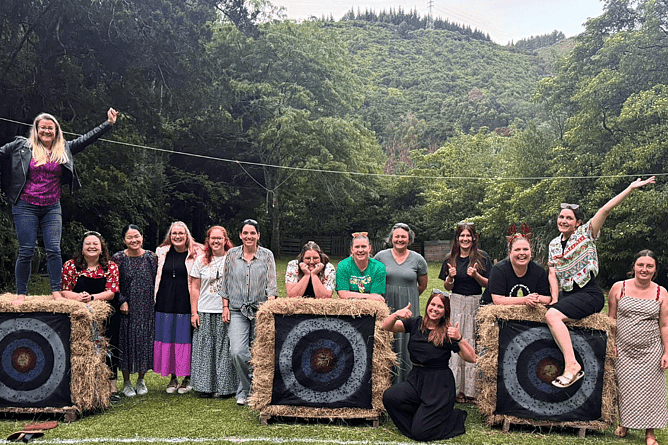
Life at Tōtara Kids ELC in Stoke, Nelson is ruled by emotion. But not in the way that first comes to mind. For tamariki, working in Te Kete Rangimārie to co- regulate, grow emotional literacy and explore ways to regain green brain takes priority.
For Kaiako, there is an expectation that they are available to support their ako tamariki to co-regulate whenever the need arises. As neuroscience clearly tells us- children take their regulation cues from the trusted adults around them. A dysregulated brain can not support our learners to regulate.
Kathryn Berkett’s work and explanations of how brain chemistry impacts behaviour, are a favourite of mine and this knowledge lead me to the conclusion that in order for our culture of Rangimārie to be successful, I needed to create a work environment that actively encouraged Kaiako to be working from true rangimārie.
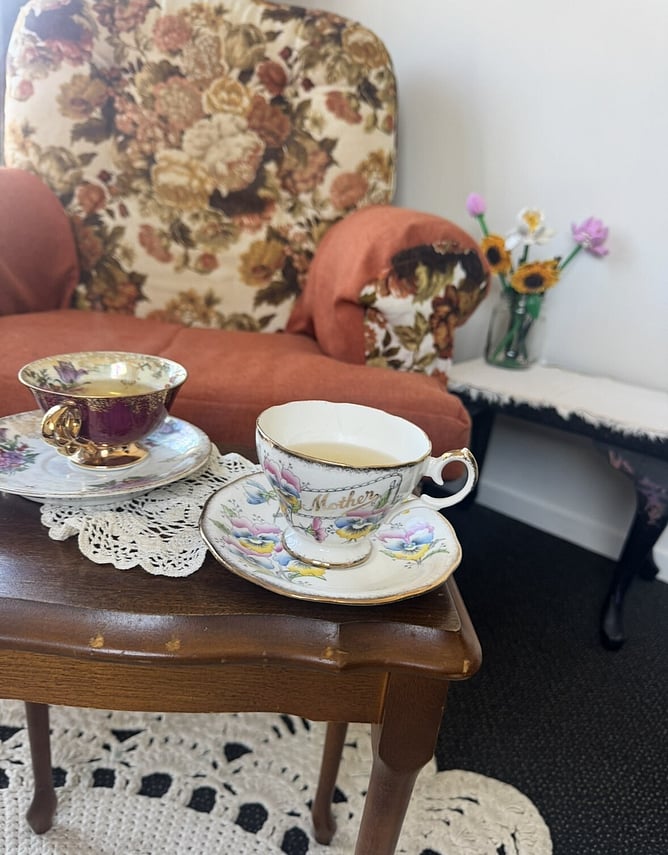
Rangimārie- peacefulness, harmony and acceptance.
To create a workplace where rangimārie is the top expectation not a hope, wish or unrealistic dream thrown out by management, calls for the very design of Tōtara Kids to set Kaiako up for success. This is where our family care design (Link previous article?) allows for my rostering to create a work/life balance for Kaiako, while maintaining consistency and secure attachments for our tamariki. No one at Tōtara Kids works five days on the floor, each kaiako has a day that includes their non-contact (3 hours for 6 ako tamariki and a contributions to group planning, referrals, internal evaluations etc) but no other work commitments. We have six kaiako on the floor daily with our 29 children, 8 permanent Kaiako in total. This means we can always have three of each family group working, and 1-2 on their ‘off days’. These off days allow kaiako to focus fully on their documentation and then have time for life admin too.
This design also has big benefits for me as the owner/manager. Kaiako sickness is less as they are not pushing through the week, running on empty with no time to refill their cups. Doctors appointments, meetings or parenting commitments also get scheduled on these days where possible which means a less messy week, less relievers needed and more consistency for tamariki. During school holidays or when their own tamariki are sick, there is one day of the week they know they can cover stress free.
My leadership style is very much one that mimics a team captain. I strive to lead by example, role modelling the practices and approaches I expect my team to take. I truly believe culture, connection and philosophy are built from the top down- so I walk the talk. This means being aware when I’m not working from rangimārie, taking time before responding to the consistent demands on my time and the big one- a clear distinction of roles, including mental load for all the parts of keeping Tōtara Kids running.
One of the biggest parts of leading from rangimārie is not letting my pressures press downward. I often tell my teachers, when they are away sick and apologising for being a
human, that it is not their job to worry about staffing- that’s my role. I work really hard on not letting the emotion of finding a reliever, while making my sons lunch, supporting parents and explaining our health policy all before I’ve had my coffee, spill over into my response to Kaiako.
Is it the easiest way to approach running a centre? No. Is it the most cost effective? No. Does it directly impact the children’s learning outcomes, emotional regulation and overall feel of our environment? Yes.
Carrying the load from the top is hard and if your looking at moving towards leading from Rangimārie, find yourself a good leadership team. My kaitiaki team are incredible. They will support me, back me, carry the load and show what leading from rangimārie looks like. There have been occasions that they have sent me home, taken over tasks, arrived with an oat mocha, told me to put down some juggled plates and certainly not offered a hug (I’m not a hugger). I know what brings rangimārie for all my team and they know me, this means genuine connection and support is within easy reach, all the time.
As a centre, we have recently gone through a challenge that highlighted leading from rangimārie. With her express permission, I share that my wonderful Head Teacher lost her husband to cancer (while only in his mid 30’s) - this was not a situation I thought would challenge my idea of leading from rangimārie, however, this loss affected half of my Kaitiaki team directly, leaving them grieving, and the rest of us had lost a friend. Our vibe, culture, and energy begins with the Kaitiaki team and works down, so this loss could have changed the way we operate. But working from rangimārie means acknowledging grief, accepting grace, giving time to ourselves, and learning harmony with our “new normal”. A testament to our culture, and a huge highlight during this time, was how our team support network also worked in reverse: family groups carried a slightly heavier load while parts of the team were grieving, staff were flexible and understanding, and there were many displays of care between staff. Some families even made meals to support us.
When Kaiako are being lead from a place of rangimarie, in a sector where words like burn out are becoming common place and the big hearted, loving personalities are struggling, leaders cannot afford to create robots who leave their lives at the door. Our expectations should be high, but we should be setting up our workplaces and Kaiako for success. When culture, philosophy and expectations are set and modelled from the top down, investing in your own rangimārie will have a direct, positive impact on you team (staff retention) and the children in your care. No matter your centre size, location or philosophy children are at the heart of why we do what we do as leaders every day. Creating a workplace and environment that is emotionally healthy and responsive will have flow on effects bigger than individual leaders could hope to achieve with hard alone.
About the Author
Elise Walton is the owner and manager of Tōtara Kids ELC in Stoke, Nelson. Her approach centres on strong relationships, kaiako wellbeing and leading by example to create an emotionally healthy environment for tamariki and adults.
Read Elise’s earlier article, The Best of Both Worlds: How mixed-aged, family care works at Tōtara Kids ELC, to learn more about the centre’s family care model.