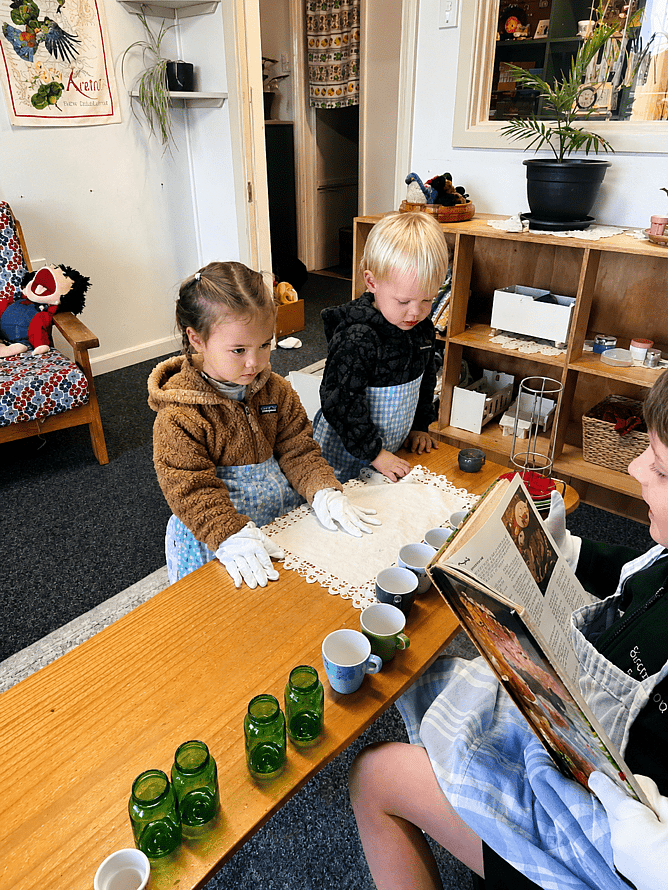
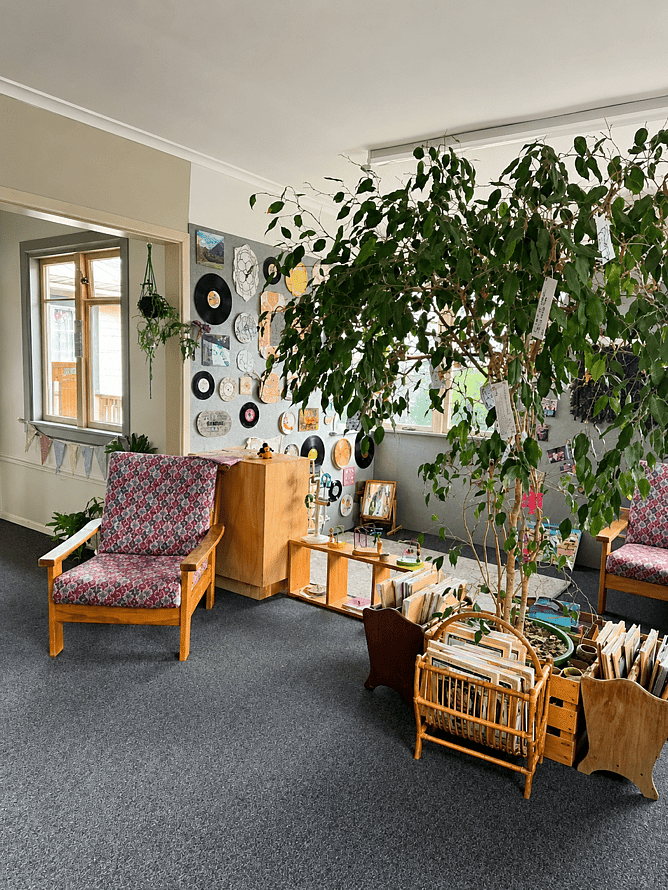
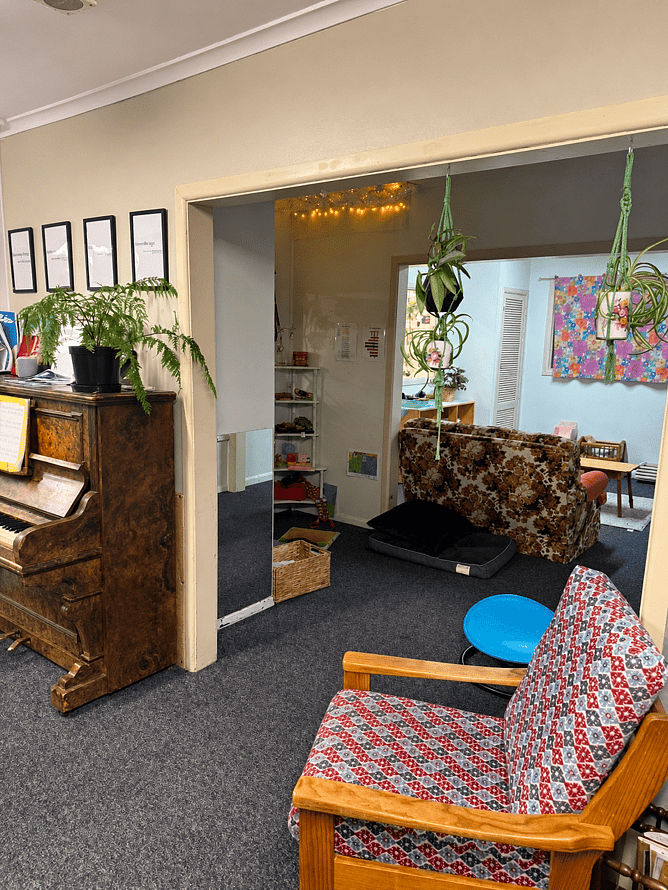
Tōtara Kids in Stoke, Nelson, is a centre licensed for 29 children aged six months to six years. Our space is an old bungalow, decorated with vintage furniture and family dining tables, lowered so children can access them, where days and memories are shared.
With an open-plan design, no positional rosters for kaiako, outside doors that never shut for “bad” weather and no separation by age, we often describe Tōtara Kids as “Mum’s house on Christmas morning”: a family atmosphere where everyone pitches in, memories are made and our core values are lived out each day.
We wanted a care model that reflected that same feeling.
Designing our own care model
In designing our own care model, we had a few non-negotiables. First, children needed a primary attachment. We know from research that children can only learn when they feel safe and secure. We valued a primary care approach, but wanted our model to better reflect tuakana-teina and ensure children remained connected when their kaiako were away.
Our culture and philosophy prioritise kaiako teaching from Rangimārie (peacefulness, harmony and acceptance). This means no kaiako has five days on the floor, yet our tamariki still deserve consistency. We also felt parents deserved an authentic one-on-one relationship with the kaiako taking responsibility for their taonga, rather than receiving quick, generic feedback from any adult.
As owner/manager, I need to know who is responsible for ensuring routines and assessment are completed meaningfully, respectfully and in a timely way, and that communication is clear and effective. Because we do not use positional or routine rosters (inside, outside, nappies or sleeps), the model also needed to share the mental load evenly and allow relationships, rather than routines, to guide practice.
Our social and emotional kaupapa, Te Kete Rangimārie, also calls for trusted adults to be available to provide co-regulation. This takes priority over anything else that may be happening in the centre, so children needed more than one trusted adult who could provide that safe co-regulation.
Managing kaiako mental load
Managing kaiako mental load was another major factor in developing this system. When one person is responsible for all the sleep needs, the routine can easily become robotic and adult-directed rather than relationship-led.
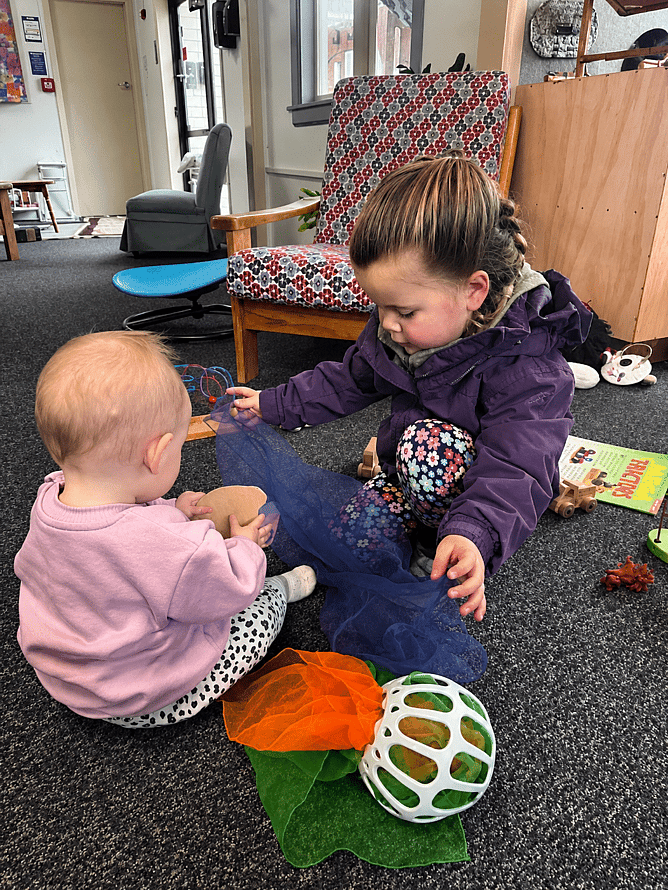
I wanted our care system to reflect our mixed-age space and allow kaiako to teach tamariki where they are, rather than grouping children by age simply to manage the workload. Giving kaiako a mix of ages among their primary children also reflects our belief that children are mana atua - divine individuals who inherit absolute uniqueness (Dr. Rose Pere).
A day at Tōtara Kids
On a practical level, a day at Tōtara Kids is a carefully choreographed dance. Every Ako Kaiako (Primary Kaiako) has a Kore Kaiako (Buddy Teacher), and they act as the secondary kaiako for each other’s primary children. Each pair of kaiako is then linked with another partnership to complete a family group.
This means that if a teacher is away, as life dictates, children still have a strong connection to their second person, as well as a further two kaiako who know them well. When rostering kaiako, I make sure there are always three people from each family group present for the day.
Each kaiako is capped at six ako tamariki in total, rather than six each day. They are responsible first for the routines of their own children, then for the children for whom they are the secondary kaiako, and then for their wider family group. With a licence for ten children under two, I am careful not to place more than one child under one year old with any kaiako. A typical list might include two four-year-olds, a three-year-old and two children under two.
Kaiako are responsible for making sure routines happen, but that does not mean they must always be the person carrying them out. If my ako tamariki is ready for bed while someone else is already in the sleep room supporting another child, I may ask them to help mine too. At the same time, our ratio of six teachers to 29 children means tamariki who need their person to settle to sleep can have them.
Open, honest and timely communication
Our family care system relies heavily on open, honest and timely communication, with plenty of flexibility. Throughout the day, kaiako frequently let one another know where they are at with routines, what is needed and whether they are moving inside or outside.
Family care allows teachers to prioritise each child’s individual needs, see them as unique individuals rather than as part of a group, and capture those moments as genuine learning notes.
Family care - because we are all one whānau
Since implementing our mixed-age family care model, we have seen more meaningful, relationship-based routines, clearer communication with families and a simpler allocation of mental load. It has also given me greater clarity about where responsibility and accountability sit.
Children still have a primary attachment, but they are surrounded by a wider network of trusted adults. This allows kaiako to teach from Rangimārie and support tamariki to be their true individual selves.
About the Author
Elise Walton is the owner and manager of Tōtara Kids ELC in Stoke, Nelson. Her work is grounded in relationship-based practice, thoughtful leadership and creating environments where tamariki, whānau and kaiako feel known, supported and connected. Elise is passionate about developing practical approaches that reflect the values and philosophy of the learning community they are designed for.