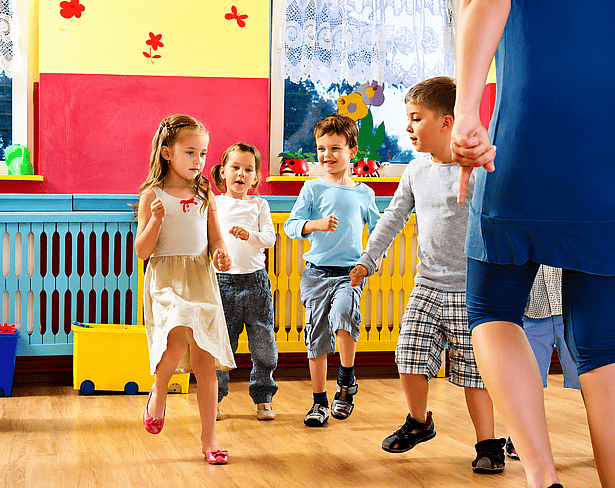
Teachers need to create a space that is inclusive of children’s ways of participating in dance, based on their cultural and spiritual context. Different cultures and spiritual influences have different approaches. For some, dance, drama and song are interwoven.
For authenticity, when using songs to dance to, it is important to know the song’s origin and the purpose it was intended for, so it can be used appropriately and respectfully.
Māori Perspectives
In Aotearoa/New Zealand, supporting Māori as tangata whenua and upholding Te Tiriti o Waitangi is necessary.
Dance in a variety of forms was embedded in everyday life for Māori. It was learnt and shared alongside one another in the spirit of ako, being both a teacher and learner.
Kapa haka has taken the role of reviving traditions in a way that is culturally safe and supportive. It strengthens te reo Māori and supports wellbeing. Māori children can make connections to their cultural past, values, beliefs and ways of knowing, giving them the opportunity to show what they have learnt.
Cultural Perspectives
Communication patterns in some cultures reflect a movement aspect. This is passed from parent to child in the form of mirroring and synchronicity. The taking and following of the lead can switch between the parent and child, meaning that from birth children are attuned to engaging in dance.
Cultural dance practices can be celebrated by the communities of the children. Children have a right to access these various ways of expression and experience a sense of inclusion.
Touching on dance for some of the main cultural groups, such as Pasifika, Chinese and Indian communities, can be useful.
For Pasifika cultures, teachers can respond to diverse ethnicities by knowing the cultural dance traditions of the families represented in the setting.
For example, in Tongan traditions of dance, children are taught about the value of dancing, the movements, the meaning of every performance and the words of the songs. This could be a good starting point for learning about Tongan dance heritage by understanding the meaning-making behind it.
For Chinese dance, there is an emphasis on harmony of body and mind. The learning of language can also be integrated. Using Chinese cultural dances can create a sense of belonging and connection to ancestry and kinship.
Chinese dance has different forms, such as classical and historical dances, folk dances, which are usually Han Chinese, and ethnic dances. Often it is colourful and represents different ethnicities and languages. Some of these aspects could be explored in an ECE setting.
For Indian dance, there is the tradition of a master teaching a disciple, with the copying of vocabulary, facial expressions, dramatic storytelling and lots of footwork. These traditions create a connection to the past.
A child may be knowledgeable about Indian cultural dance, and the child’s familiar dance can be part of the curriculum.
Spirituality
Spirituality is a feeling of a sense of place, connectedness and finding meaning.
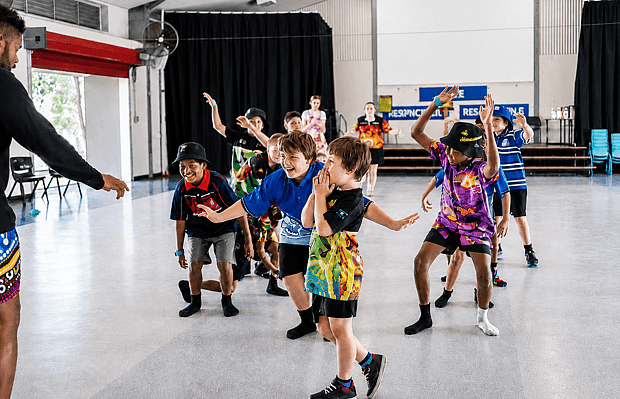
For many cultures, there is a link between the spiritual and physical. Western cultures have often separated the body from the spirit, but in other places dance has been part of the religious and spiritual lives of people.
Dance uses the body to channel a divine energy, and the communal nature of dance links it to worship. Dancing spontaneously is one of the oldest forms of expressing spirituality.
The relationships children develop with themselves, others and their environment are important. Dance deepens children’s spiritual and kinaesthetic awareness. They can experience music through the good feelings it creates in their bodies.
Links to Te Whāriki
The Family and Community principle states that the wellbeing of each child is interdependent on the wellbeing of their whānau. Children need to have their culture, knowledge and community affirmed.
The Belonging Strand states that children need opportunities for “making connections between people, places and things in their world” (Ministry of Education [MoE], 2017, p. 32). Part of this is showing respect for different views and connections through time.
The Relationships principle states that it is important to have connections to the past, and children need to be able to access, interact with and understand cultural tools.
The Contribution Strand states that children need to see that their family background is valued and be aware of ways to contribute to groups.
The Holistic Development principle emphasises spiritual development interconnecting with other areas of development. It states that “For Māori the spiritual dimension is fundamental to holistic development because it connects the other dimensions across time and space” (MoE, 2017, p. 19).
The Wellbeing Strand notes the importance of spirituality to holistic wellbeing, and teachers need to acknowledge the importance of spirituality to development.
Māori and cultural perspectives, spirituality and Te Whāriki are important aspects for teachers to consider when supporting children’s sense of belonging and inclusion through dance.
Maddie Hendrie has been a lecturer at New Zealand Tertiary College since 2019. She has a background in Playcentre, home based care and early childhood centres having worked in Assistant Manager, Operational Manager and Head Teacher roles. Maddie also has considerable experience working with adults, including being an Associate Teacher, leading workshops and mentoring learners for teacher registration. Her lifelong passion for dance is reflected in dancing at church and around home with her adult daughters and two granddaughters.