When Early Childhood Education (ECE) providers think about creating healthy learning environments, attention often focuses on nutrition, hygiene, outdoor play and infection prevention. However, one equally important factor often remains largely invisible: indoor air quality (IAQ).
Children in New Zealand spend many hours each day indoors, making the quality of the air they breathe an important consideration for both their health and their ability to learn. Young children are particularly vulnerable because their lungs and immune systems are still developing, they breathe more air relative to their body size than adults, and they spend much of their time playing close to floors where dust and other airborne particles can accumulate.
Poor indoor air quality is rarely caused by a single issue. Instead, it is often the result of multiple contributing factors, including inadequate ventilation, moisture, mould, airborne viruses and bacteria, dust, allergens, cleaning chemicals and contaminants that accumulate within heating, ventilation and air conditioning systems.
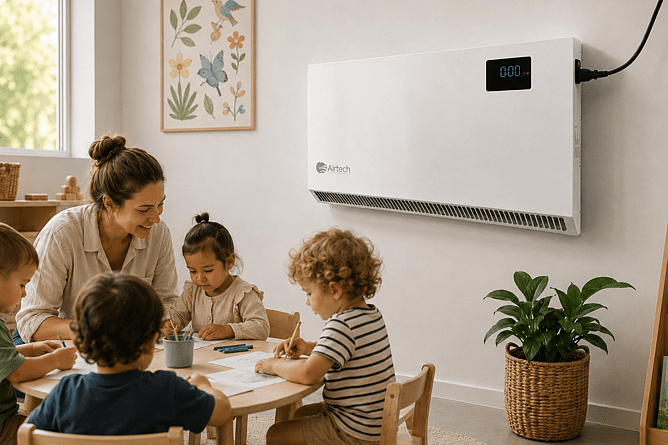
Why IAQ Matters in ECE Settings
Indoor air quality has been linked to a range of health and wellbeing outcomes. Poor IAQ can contribute to:
Increased spread of seasonal illnesses
Asthma and allergy flare-ups
Eye, nose and throat irritation
Fatigue and reduced concentration
Higher absenteeism among both children and staff
Many centres work hard to manage illness through cleaning protocols and encouraging good hygiene practices. While these remain essential, improving the quality of the air itself provides another important layer of protection.
Common IAQ Challenges in ECE Centres
Every ECE environment is different, but there are several common issues centre leaders should consider.
Ventilation
Fresh outdoor air helps dilute airborne contaminants. Where natural ventilation is limited or windows remain closed during colder months, indoor pollutants can accumulate.
Heating and Air Conditioning Systems
Many people assume that because a heat pump or ventilation system is operating, it is automatically providing clean air. In reality, internal components can collect dust, moisture, mould and microorganisms if not regularly inspected and professionally maintained.
Moisture and Mould
Even small amounts of hidden moisture can encourage mould growth, affecting both building materials and indoor air quality.
Occupancy Levels
Children naturally interact closely through play and learning, increasing the amount of airborne particles and respiratory aerosols within shared spaces.
Practical Steps Every Centre Can Take
Improving indoor air quality does not necessarily require major building upgrades. Many improvements begin with simple, proactive measures.
Centre managers may wish to:
Schedule regular servicing and cleaning of heating and air conditioning systems.
Ensure ventilation systems are operating as designed.
Monitor indoor humidity and address moisture issues promptly.
Replace air filters according to manufacturer recommendations.
Review whether classrooms receive sufficient fresh air throughout the day.
Consider indoor air quality as part of broader health and wellbeing planning rather than only during illness outbreaks.
Even small improvements can contribute to healthier indoor environments over time.
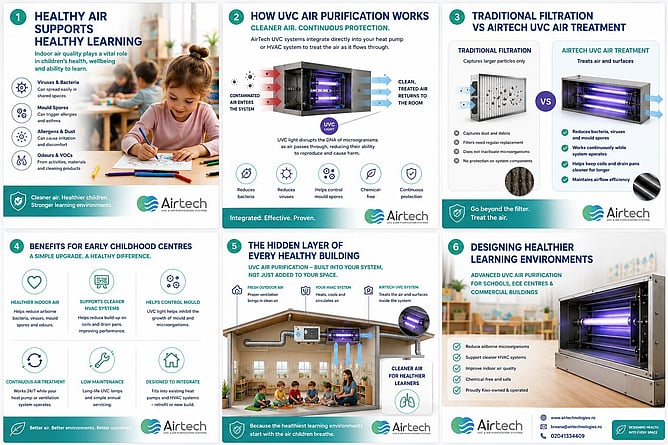
Looking Beyond Surface Cleaning
One common misconception is that visible cleanliness always reflects healthy indoor air. While clean surfaces are important, many airborne contaminants remain invisible.
Viruses, bacteria, mould spores, allergens and fine particles can continue circulating through occupied spaces, particularly when ventilation systems redistribute untreated air. This is why many organisations now view indoor air quality as an ongoing environmental management consideration rather than simply a cleaning issue.
A Growing Focus Across New Zealand
Awareness of indoor air quality is increasing across schools, healthcare facilities, commercial buildings and workplaces as organisations recognise its role in supporting healthier indoor environments.
Within the ECE sector, many centre owners and managers are beginning to ask important questions about how their buildings perform, whether ventilation systems are operating effectively, and whether there are opportunities to further improve the air children and educators breathe every day.
This shift reflects a broader understanding that indoor air quality should be considered alongside other aspects of health, safety and building maintenance.

Supporting Better Conversations
At AirTech, we believe one of the biggest opportunities lies in education.
Our goal is to help ECE providers better understand indoor air quality, identify common challenges, and make informed decisions about their buildings. Whether that means improving ventilation practices, reviewing existing heating and air conditioning systems, or exploring technologies that help reduce airborne contaminants, every centre's needs will be different.
Creating healthier indoor environments is not about finding a single solution. It is about understanding the factors that influence air quality and taking practical, evidence-based steps that support the wellbeing of children, educators and families.
As indoor air quality continues to gain attention both in New Zealand and internationally, ECE centres have an opportunity to ensure that the air inside their buildings supports the healthy, safe and engaging learning environments they work so hard to create every day.
About the Author
Breana Warnes | breana@airtechnologies.nz
Sales & Marketing Manager and plays a key role in growing the Air Technologies NZ Ltd brand, expanding the customer base, increasing market visibility, and supporting the continued growth and success of the business.