“Remember when you couldn’t do the monkey bars?” a kaiako asks.
Tamariki nod, recalling the physical effort, the slips, and the eventual triumph of making it across. What once felt impossible slowly became manageable, not because the equipment had changed, but because the tamariki had grown in their own confidence and capability.
In early childhood settings, children face moments that feel just as significant, whether tackling a tricky puzzle or finding the courage to contribute in a group.
Through the intentional support of a trusted kaiako, tamariki learn to pause, regulate, and recognise the resilience and courage already waiting within them.
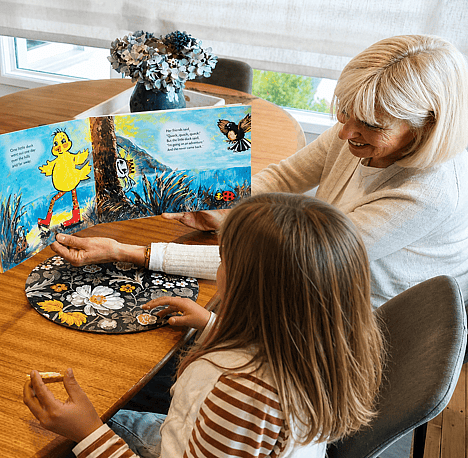
Storytelling provides a parallel opportunity for development. Through stories, tamariki can explore challenge and uncertainty within a framework that feels safe. Over time, this practice allows the children to experience hope, not merely as wishful thinking, but as a quiet, internal confidence that they have the capacity to grow.
Why Storytelling Matters
This approach to storytelling invites us to slow down. When kaiako allow stories to unfold at a child’s pace, they create space for tamariki to make sense of complex emotions and relationships. In this context, storytelling transcends its role as a literacy activity; it becomes a relational practice that intentionally supports the growth of connection, courage, and hope within the centre.
Fear is a normal part of childhood. Resilience is strengthened by how adults respond. When kaiako offer a calm presence and emotional safety, tamariki understand that feelings are not meant to be carried alone; they can be experienced, shared and supported within a relationship.
Symbolic stories are especially powerful. By utilising characters that face challenges at a safe emotional distance, educators allow children to explore difficult feelings without being placed at the centre of the experience. Even when tamariki cannot yet name specific emotions, they can often recognise them in a character, providing the first building blocks for understanding their own emotional world.
Te Whāriki emphasis on Mana Reo, recognising communication as central to understanding oneself and others. Through these stories, tamariki learn to identify emotions and notice how feelings change. By valuing "slow pedagogies" the practice of allowing unhurried time for children to revisit stories, educators ensure that tamariki have the space to deepen meaning and settle into their learning.
Listening Through Storytelling
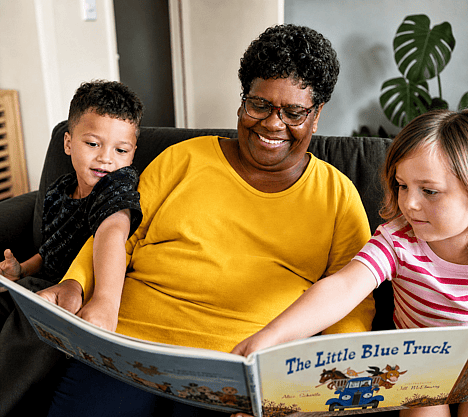
Emotional learning becomes visible within everyday storytelling. Attuned kaiako notice the layers beneath a child’s response, utilising small, intentional interactions - a pause, a question, or a shared silence, to communicate: your feelings matter here, and you are not alone.
During shared reading, the intentional kaiako pauses to explore how the characters might be feeling. This provides a framework for tamariki to identify fear, worry, and courage, linking these narratives to their own lived experiences. Within these sessions, the children can practice practical calming strategies alongside their teachers, including:
Deep breathing and stretching
Grounding techniques
Identifying trusted people for support
These interactions strengthen emotional connections and help tamariki realise that feelings do not have to be carried in isolation. Children build resilience steadily, creating a clear pattern: when tamariki feel safe, seen, and connected, their internal courage and hope begin to grow.
Story, Identity and Hope
Stories also play a pivotal role in shaping identity and fostering a sense of belonging. When tamariki see their languages, whānau, and cultural worlds reflected in stories, their sense of connection and mana is strengthened.
Revisiting these stories or retelling them through play provides tamariki opportunities to practice courage and explore possibilities at their own pace. These encounters allow emotional learning to settle, transforming a simple story into a foundational part of the child's development. By embracing "slow pedagogies," educators recognise that story is a space where connection and hope are continually built and rebuilt.
Slow Storytelling in Practice
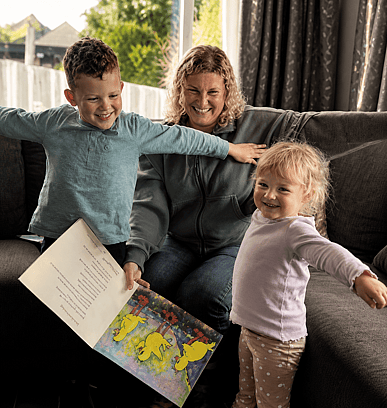
To implement these concepts effectively, educators can integrate specific, unhurried techniques into their sessions. During these moments, use reflective questions to guide the children through the emotional arc of the story:
• What might this character be feeling?
• What helped them find their courage?
• Where do you see hope in this story?
• What might help us feel hopeful or safe too?
We recommend that kaiako prioritize daily “slow story” moments that value connection over simply finishing a book. Furthermore, educators should co-create culturally responsive narratives, including pūrākau, that reflect the unique languages and lived experiences of the children in their care.
Meaningful storytelling does not require elaborate resources; it requires presence, patience, and curiosity. When we choose to slow down, we offer tamariki far more than words on a page we provide the connection and courage they need to thrive.
As you plan your next session, consider: what story will you choose to slow down with, and what might the children discover in the stillness between the words?
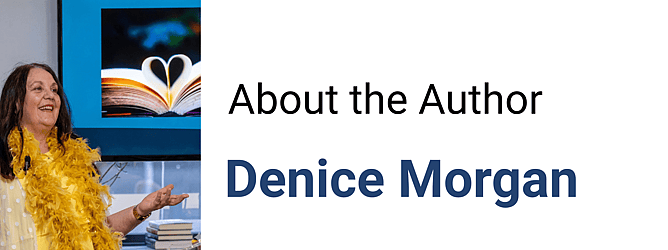
Denice Morgan is an early childhood kaiako and lecturer based in the Bay of Plenty.
With extensive experience in both the classroom and teacher education, Denice is deeply passionate about supporting the wellbeing of tamariki through intentional storytelling. Her work focuses on how "slow," relational approaches can be used as a practical tool within ECE settings to nurture lifelong resilience, courage, and hope in young learners.