It’s every centre manager’s nightmare: another outbreak of illness.
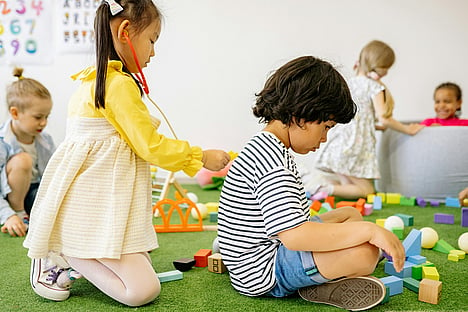
Sickness in early childhood education settings is incredibly common and the reasons are obvious: Young children have developing immune systems, and they spend long hours together in enclosed spaces. Add nappy changing, shared toys, hands touching faces, mouths and everything else, and you have the perfect breeding ground for bugs to spread quickly.
But the impact goes beyond the unwell child. When children are sick, parents stay home. That means lost income, work stress and increased pressure on families already stretched thin. Staff get sick too, leading to relief teacher cover, higher wage costs, and disruption to routines. Over time, repeated outbreaks drain team morale and erode parent confidence. If it keeps happening, it can even affect a centre’s enrolments.
As with many things, preventing an outbreak of illness is far cheaper and easier than trying to find a cure. So, what actually makes a difference? Here are five practical, low-effort actions that can be implemented to consistently reduce illness and prevent major outbreaks in ECE environments:
1. Hand washing education for preschoolers
In today’s busy world, many parents simply don’t have the time or energy to teach toddlers how to wash their hands properly; that’s where centres can make a real difference. The key is simplicity – short songs, clear steps and repetition. Children remember routines far better than instructions. One effective example is this hand-washing song by Ms Rachel, which many centres already use: https://www.youtube.com/shorts/Gp-6A-iyLeI
This education also needs to go beyond posters on the wall. Posters help, but culture is what really sticks; when hand washing becomes automatic before meals, after toileting, and after outdoor play, it becomes normal behaviour. And research consistently shows that proper hand hygiene can reduce gastrointestinal illness by around 30% and respiratory illness by
around 20% – that’s not theory, it’s measurable impact.

2. Ventilation matters more than you think
Good ventilation reduces the concentration of airborne viruses and bacteria. The Ministry of Education recommends that indoor spaces are well ventilated, either through open windows, doors, or mechanical ventilation systems, especially during winter months when windows are often kept shut.
Fresh air dilutes germs while poor airflow traps them. A simple rule of thumb is: if a room feels stuffy, it probably is. Regularly opening windows, even briefly, and avoiding overcrowding in enclosed rooms can significantly lower illness transmission risk.
3. A clear, enforced stay-at-home policy
This can feel uncomfortable, but it is critical for reducing the spread of illness in ECE environments. Parents are often incentivised to send children in when they are “almost okay”; that’s understandable, but it is also how outbreaks start.
Your centre needs clear, simple, non-negotiable rules about when children must stay home. Avoid vague language, make it visual and concrete, for example: coloured nasal discharge, fever in the last 24 hours, vomiting or diarrhoea – no exceptions. Just as importantly, ECE’s need to enforce rules consistently so that it becomes a centre culture.

4. Educate your cleaning partner
Your cleaners play a bigger role in infection control than most people realise. They need to clean from a child’s perspective – literally. Door frames, handles, low walls, bathroom fixtures and entryways from waist height down are high-risk zones because that’s where little hands come into contact.
ECEs can help by reducing ambiguity in the cleaning schedule. Instead of vague tasks, define outcomes; make it simple to understand and easy to inspect. Acknowledging and thanking your cleaning team for the mahi they do also improves consistency and pride, which is reflected in results.
5. Disinfectant misting, ideally electrostatic
Fogging is not a replacement for daily cleaning, but it can be a powerful extra layer of protection, especially in the event of an outbreak. Electrostatic disinfection works by giving disinfectant droplets a positive electrical charge; this causes them to wrap around and cling evenly to all surfaces, including hard-to-reach areas.
Some modern disinfectants even use surface bonding antimicrobial technology, which creates a microscopic protective layer that continues killing bacteria and viruses for up to 28 days after application. When used correctly, this acts as another protective barrier.
None of these steps will completely eliminate illness – that is simply unrealistic. But used together, these actions do two important things: They measurably reduce illness among both children and staff, and they give you (the owner/operator) confidence. And when a frustrated parent asks what you are doing to prevent illness in the centre, you can honestly say “everything” – that peace of mind matters.

Ed Crothall is the National Director for JAN-PRO Aotearoa, the New Zealand division of the world’s largest commercial cleaning brand. JAN-PRO Aotearoa operate in most regions and specialises in cleaning ECE centres.
As a parent of preschoolers himself, Ed understands first hand the challenges ECE services face regarding sick children, especially over the winter months. He is passionate about supporting clients to reduce the spread of illness through simple strategies and effective cleaning practices.